
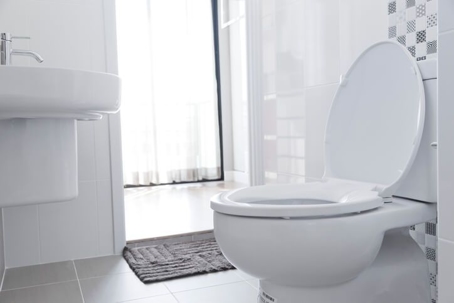
You picked out a new toilet, cleared a Saturday, and watched a couple of videos, so installing it yourself in your home feels like a smart way to save money. The box makes it look straightforward, and on paper it really is just a few bolts, a ring, and a water line. That confidence can fade fast the moment the toilet rocks, a bolt spins, or you notice water around the base.
Many handy homeowners are in that exact spot. They are comfortable with tools, they want to keep project costs under control, and they like the satisfaction of doing work themselves. What most people do not see in those short videos or instruction sheets is how small details around flanges, flooring, and old shutoff valves in homes can turn a simple swap into a slow leak or a broken connection hidden in the concrete slab.
At EZ Flow Plumbing, LLC, we install and repair toilets in Mesa and the surrounding East Valley on a regular basis, and we are often called in after a DIY install starts leaking, rocking, or just does not feel right. In this guide, we walk through the most common pitfalls we see in DIY toilet installation, why they happen from a plumbing standpoint, and how to decide what you can safely tackle yourself and when it is smarter to pick up the phone instead of the wrench.
Why DIY Toilet Installation Is Trickier Than It Looks
On the surface, a toilet looks like one of the simpler plumbing fixtures in your house. It has a base, a tank, a few bolts, and a water connection. The hidden part, where the toilet meets the drain and your home’s structure, is where homeowners run into trouble. That joint has to be watertight and gas-tight, and it has to stay that way while the toilet carries the weight of people sitting and shifting on it every single day.
Most homes sit on slab foundations, so the toilet flange is anchored directly into concrete. In many bathrooms, tile or vinyl plank has been added over the years, often on top of older flooring. The flange rarely gets adjusted when the floor height changes. This is not obvious when you pull the old toilet, because the old wax ring may have been compensating just enough to avoid a visible leak, even if it was not sealing perfectly.
Big box instructions and online videos usually assume ideal conditions, like a flange at the perfect height and a shutoff valve that turns easily and does not leak. As a licensed plumbing company, we know those ideal conditions are not what we walk into most days. The real risks come from small differences in flange height, flooring, and pipe condition that you will not notice until the new toilet is already in place and something starts to go wrong.
Pitfall 1: A Toilet Flange That Sits Too Low or Too High
The toilet flange is the round fitting that bolts to the floor and connects the toilet to the drain pipe. In a solid setup, the top of the flange sits roughly level with the finished floor, sometimes just a bit higher. That lets the wax ring or other seal compress evenly between the toilet outlet and the flange, which keeps water and sewer gas where they belong.
We see many bathrooms where new tile or other flooring was added, but the original flange was left at its old height. That means the flange is now too low relative to the finished floor. DIYers often try to fix this by stacking two wax rings or by using a standard ring where an extra-thick ring or a flange extender would be more appropriate. Those quick fixes may seal for a while, but the wax often does not compress evenly and can pull or wash out over time.
A flange that sits too high causes problems as well. If a previous remodel removed thick flooring but did not adjust the flange, the toilet base can hover slightly above the floor when it sits on the flange and seal. When the installer tightens the bolts to close the gap, the pressure can stress the porcelain and the flange, leading to cracks or warping. The toilet may feel solid at first, but the stress often shows up later as a leak or a broken flange ring.
How Flooring Updates Create Hidden Flange Problems
Many bathrooms have seen at least one flooring project. Tile gets set over old tile, or vinyl plank goes right over existing surfaces. From a homeowner’s point of view, this is an efficient way to refresh the room. From the toilet’s point of view, the finished floor just got taller, but the flange did not move. The gap between the flange and the underside of the toilet outlet changes, which is why the old ring may look strange or flattened when you pull the toilet.
There are flange extender kits and repair options that can bring a low flange up to the working height, even on a slab foundation. However, these can be tricky to install correctly if you have not done it before. We routinely find extenders sealed with the wrong materials or stacked loosely, which creates more pathways for leaks. Our technicians work on these slab-mounted flanges often, so we know when an extender is suitable and when a more substantial repair is needed to anchor the flange solidly in the concrete.
Pitfall 2: Choosing and Setting the Wrong Toilet Seal
The wax ring or waxless seal looks like the simplest piece of the job, which is why many DIY guides gloss over it. Its job is critical. It forms the barrier between the bottom of the toilet and the flange, keeping both liquid waste and sewer gases from escaping into your bathroom or down into your floor structure. When that seal is the wrong type or is set incorrectly, you often do not see a dramatic failure right away. Instead, you get a slow leak that takes months to show itself.
Standard wax rings work well when the flange is at the right height and the toilet is set firmly with no rocking. In bathrooms where the flange sits a bit low, an extra-thick wax ring or a correctly installed extender plus standard ring can work. The temptation many DIYers have is to stack two standard rings to make up for the height difference. The compressed wax has no firm structure between layers, so over time it can shift, crack, or create channels that let water and gases escape.
Waxless seals are a good option in some situations, particularly when the floor is uneven or there is a concern about future movement. However, they need to match both the flange and the toilet outlet properly. We often see seals misaligned or not fully engaged because the toilet was set once, then lifted and reset, disturbing the seal. Another frequent mistake is reusing an old wax ring if it looks “not too bad.” Once a wax ring has been compressed, it rarely reseats correctly a second time.
When our technicians install a toilet, we dry-fit first so we know exactly how the toilet sits relative to the flange and floor. That tells us which seal will compress correctly without excessive force. After setting the toilet, we test-flush several times and watch around the base before we apply any caulk. This extra step is simple but easy to skip during a DIY install, and it is one reason our installations are backed by warranties and our 100% money-back guarantee on workmanship.
Pitfall 3: Rocking Toilets, Cracked Flanges, and Damaged Floors
A toilet that rocks even slightly is not just annoying. Every time someone sits, shifts, or stands up, the weight of their body transfers through the base into the flange and the closet bolts. On a slab foundation, the flange is anchored into concrete, so that movement has nowhere to go except into the plastic or metal of the flange and the seal sitting between the toilet and the drain opening.
Over time, that rocking motion works the wax or other seal back and forth. The compressed ring develops gaps where wastewater can escape. Even a few drops per flush, spread out over weeks, can soak into subfloor materials at the bath perimeter, creep under tile, or leak down into the space where the pipe comes through the slab. You may first notice slightly darker grout, a musty smell, or a small soft spot around the base of the toilet rather than a clear puddle.
The flange itself also takes a beating from a rocking toilet. Older metal flanges can crack at the bolt slots, and PVC flanges can fracture at the joint where they meet the pipe. When that happens, no amount of tightening the bolts will keep the toilet stable, and attempts to pull it down harder often make the damage worse. In slab homes, a broken flange can require specialized repair rings or, in some cases, cutting out a section of concrete to rebuild the connection correctly.
Shimming is the right way to stop a toilet from rocking when the floor is slightly uneven. Professionals use sturdy, water-resistant shims and place them strategically under the base, then trim them flush and seal carefully so they are supported and hidden. A common DIY fix is to rely on caulk or to wedge cardboard or wood scraps under the edge. Those temporary materials compress or rot, and the toilet starts moving again, working the flange and the seal even harder. At EZ Flow Plumbing, LLC, we routinely correct these situations as part of our installation process so the toilet stays solid for the long term.
Pitfall 4: Over-Tightened Bolts and Cracked Porcelain
When a toilet leaks or rocks, the first instinct is often to grab a wrench and tighten the bolts a little more. That urge is understandable, but the porcelain the toilet is made from is strong in compression and fragile when stressed at a point. The closet bolts that hold the base to the flange and the bolts that fasten the tank to the bowl can both create concentrated pressure points if they are cranked down too hard.
At the base, overtightening the closet bolts can cause hairline cracks around the bolt holes or along the skirt of the toilet. These cracks may be too fine to notice during installation, especially if they are underneath or partially hidden. Over time, small cracks can spread, and a sudden change, like someone sitting down hard, can cause the crack to open enough to leak or, in the worst case, cause a piece of porcelain to break away.
The same risk exists where the tank meets the bowl. Those bolts compress a rubber gasket to keep water inside the tank. Tightening them unevenly or too aggressively can twist the tank or stress the bowl inlet, creating fractures. Many DIYers focus on stopping drips at the tank bolts without realizing they are loading the porcelain beyond what it can safely carry.
We tighten these connections in small, even steps, alternating sides and checking stability as we go. Instead of relying on muscle, we rely on fit, correct parts, and the right sequence. If you find yourself leaning into a wrench to get a toilet to stop rocking or leaking, the underlying issue is likely flange height, seal choice, or floor unevenness, not a bolt that simply needs more force.
Pitfall 5: Supply Line, Shutoff Valve, and Hard Water Issues
Even if the flange and seal are correct, problems at the water connection can spoil a DIY toilet install. The shutoff valve on the wall, also called the angle stop, and the supply line that runs from that valve up to the toilet tank both have moving parts and rubber components. In older homes, these parts may have been in place for many years and may be partially seized or corroded from hard water exposure.
Turning a stiff shutoff valve for the first time in years can cause its stem packing to leak or the body to crack. Reusing an old rigid supply line can lead to leaks at the ferrule or the connector if the line has been bent repeatedly. Cross-threading a connector onto the fill valve at the bottom of the tank is another common problem, because plastic threads can feel snug before they are truly seated.
Hard water also takes a toll on rubber washers and seals inside valves and connectors. Mineral buildup can prevent washers from seating perfectly, so a connection that looks good can develop a slow drip after a few days or weeks of use. Small drips from the supply line or angle stop often show up as swollen baseboards, discolored drywall, or a musty smell in cabinets rather than a clear puddle on the floor.
As part of a professional installation, we look at the condition of the existing shutoff valve and supply line before we start. If the valve is corroded, stuck, or decades old, we recommend replacing it during the install instead of waiting for it to fail later. We use quality flexible supply lines and assemble the connections carefully, then pressurize and watch for leaks before we leave. This kind of preventive attention is one reason homeowners trust EZ Flow Plumbing, LLC with not just toilets, but their larger plumbing systems as well.
Warning Signs Your DIY Toilet Install Needs a Plumber
Even with careful research and planning, a DIY toilet installation can reach a point where continuing on your own carries more risk than reward. Knowing those tipping points helps you make a smart call before a small issue becomes a major repair, especially in slab-on-grade homes that are common in neighborhoods.
Warning signs at the base of the toilet include persistent moisture around the perimeter, darkening grout, or a ring of discoloration that returns after you wipe it dry. A toilet that will not stay tight, even after you have snugged the bolts sensibly, usually means the flange is damaged or too low. Sewer odor in the bathroom, particularly after flushing, is another red flag that the seal is not doing its job, even if you are not seeing obvious water.
In a slab home, leaks do not have to travel far to reach other rooms. Water that escapes at the toilet can run along the top of the slab and under flooring into adjacent closets, hallways, or bedrooms. If you see baseboard swelling or cupped flooring near, but not right next to, the bathroom, it may still trace back to the toilet. At that stage, it is better to pause the DIY effort and have a licensed plumber assess the flange, seal, and surrounding area.
At EZ Flow Plumbing, LLC, we offer free estimates and up-front quotes, so you know what it will cost to correct the problem before any work begins. If you are in the middle of a project and a flange breaks, a bolt pulls through, or a shutoff valve starts leaking, our same-day service can often get a technician to your home quickly so you are not stuck without a working toilet overnight.
How EZ Flow Plumbing, LLC Handles Toilet Installations Homes
Our approach to toilet installation starts with a careful look at what is already there. We inspect the flange for height, condition, and how it is anchored to the slab or subfloor. We check the shutoff valve and supply line for age and leaks, and we take note of any flooring changes that may have altered how the toilet sits. This initial assessment shapes the rest of the job and helps avoid surprises after the new fixture is in place.
Next, we dry-fit the toilet to confirm how it meets the flange and the floor. This lets us choose the right seal and decide whether we need to use extenders, repair rings, or shims. We set the toilet carefully, align it over the bolts, and tighten in stages so the base is secure without stressing the porcelain. If shimming is needed, we use durable shims and trim them cleanly so the toilet is fully supported.
Once the base is solid, we connect the tank and the water supply, again tightening in stages and checking alignment. We turn the water back on, watch the shutoff, supply line, and tank connections for leaks, and flush multiple times. Only after we are confident in the seal and connections do we apply caulk around the base, leaving a small gap at the back so any future leak has a path to show itself.
Homeowners choose EZ Flow Plumbing, LLC for this level of detail and for the peace of mind that comes with our work. Our team has been recognized with multiple East Valley Tribune “Best of” awards, holds BBB accreditation, and backs installations with strong warranties and a 100% money-back guarantee on our workmanship. Members of our EZ Flow Maintenance Club receive added benefits like priority scheduling and extended warranties, which help keep toilets and other plumbing components in reliable shape for years.
Get Confident, Leak-Free Toilet Installation Help
DIY toilet installation can look simple, but the real test is how that toilet performs after months of daily use. Flange height on a slab, seal selection, subtle rocking, and aging shutoff valves all work in the background, and small missteps often show up later as leaks, odors, or damage that costs far more than a professional install would have. Understanding these pitfalls already puts you ahead of many homeowners.
If your project has started to feel uncertain, if you see any of the warning signs we described, or if you simply would rather have a licensed local team handle the critical connections, we are ready to help. EZ Flow Plumbing, LLC provides transparent pricing, free estimates, and same-day service for many Mesa and East Valley calls, so you can go from a half-finished bathroom back to a safe, reliable toilet without added stress.
Call (480) 351-1820 to schedule your toilet installation or inspection today.